Why the Scam Felt Real
You weren't fooled because you're careless.
You were fooled because someone spent years studying exactly how to make you feel what you felt. Here's what they know about you.
Why the Scam Felt Real
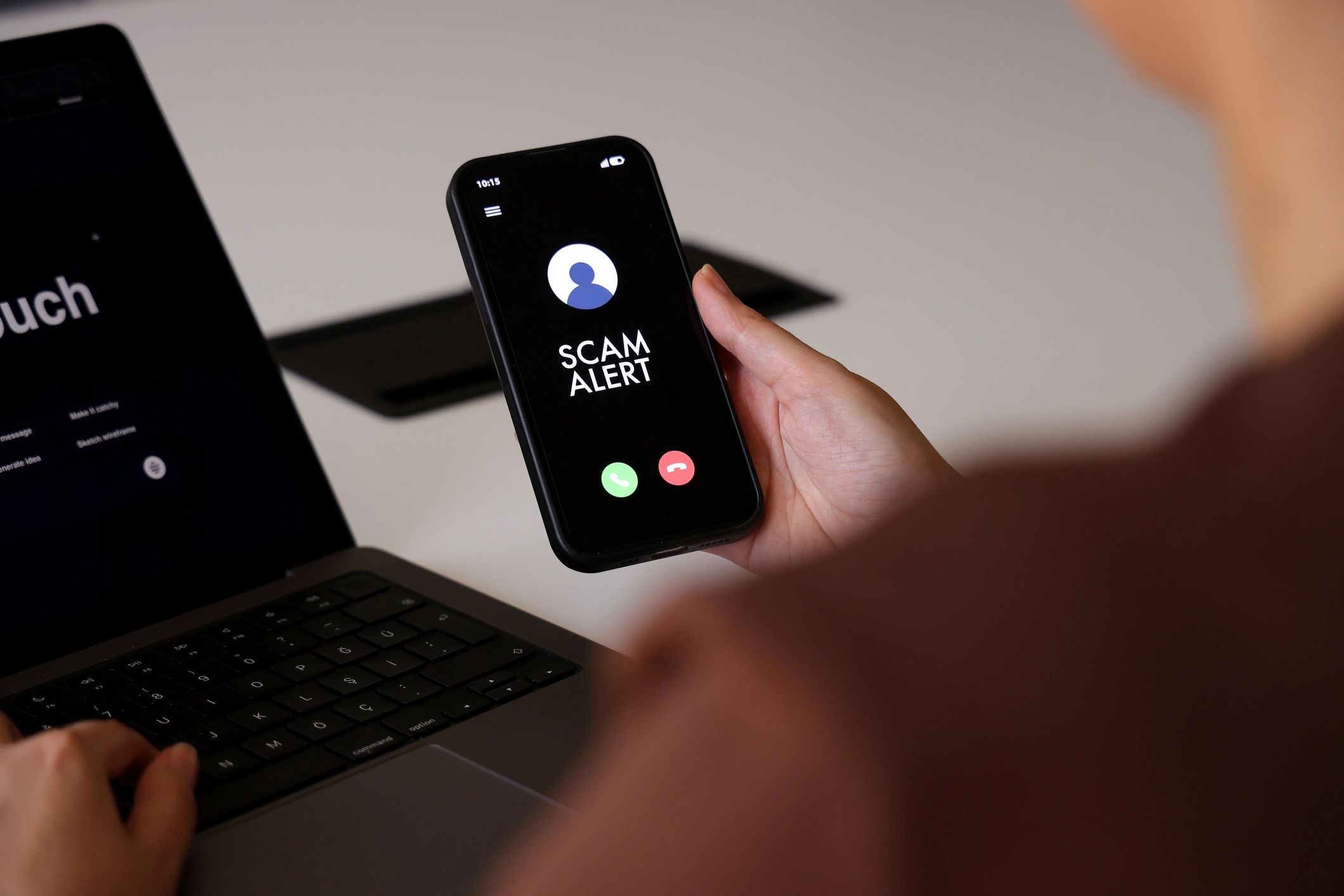
The call came in the middle of the afternoon.
The voice on the other end was calm, professional, and slightly concerned. They knew your name. They had the last four digits of your account number. They said there had been suspicious activity, and they needed to verify a few things before your account was locked.
You felt your stomach drop.
And then you did what they asked.
If that's happened to you, or to someone you love, the question that follows is almost always the same one.
How did I fall for that?
It's the wrong question. Not because it doesn't matter, but because it assumes the problem was you. It wasn't. The problem was that you were on the receiving end of something that was specifically engineered to work. On you. On your neighbors. On people who are careful, intelligent, and paying attention.
Understanding why it worked isn't about assigning blame. It's about taking away the tools they used.
They Didn't Guess. They Prepared.
The first thing most people don't realize is how much information is available about them before the call even starts.
Your name, your phone number, your address, the names of family members, the last four digits of your accounts, your approximate age, where you've lived, what you've purchased, what you've posted publicly online. All of it is available. Some of it is sold legally by data brokers. Some of it comes from previous data breaches. Some of it is scraped from public records and social media.
By the time someone calls you pretending to be your bank, they may already know more about your financial life than your own children do.
That's not a guess. That's research.
When they say your name and your account number in the same sentence, it doesn't feel like a stranger. It feels like someone who belongs in that conversation. That feeling is the first thing they're counting on.
Urgency Is a Weapon
The second thing they're counting on is that you won't have time to think.
Every well-designed scam creates a window. Your account will be locked in the next ten minutes. Your Social Security number has been suspended and there's a warrant out for your arrest. Your grandchild is in trouble and needs money right now. The IRS is sending officers to your home today.
The details change. The structure doesn't.
Urgency works because it bypasses the part of your brain that asks questions. When you feel genuinely threatened, your instinct is to act, not to pause and verify. That's not a character flaw. That's how human beings are wired. It kept our ancestors alive. It's exactly what these callers are exploiting.
The moment you feel that spike of fear, that's the moment to slow down. Not because the threat isn't real, but because real institutions almost never operate that way. The IRS sends letters. Banks have secure message centers. Social Security doesn't call you to tell you your number has been suspended.
Urgency, in almost every case, is the tell.
They Know What You're Afraid Of
This is the part that doesn't get talked about enough.
Scammers who target older adults aren't randomly dialing numbers. They're targeting people they believe are more likely to be home, more likely to be polite, more likely to feel embarrassed about hanging up, and more likely to be worried about specific things: their health, their finances, their family, their independence.
They know that a grandparent will do almost anything if they believe a grandchild is in danger. They know that someone on a fixed income will panic at the mention of their bank account being compromised. They know that the fear of losing independence, of having your identity stolen, of being in legal trouble, is powerful enough to override almost everything else.
They didn't figure this out by accident. They tested it. They refined it. They share what works.
The call that felt personal was personal. Just not in the way it seemed.
The Shame Is Part of the Design
Here's something important.
Many people who are targeted by these calls don't tell anyone. Not their children, not their bank, not the police. Because they feel ashamed. Because they think they should have known better. Because they're afraid of what people will think.
That silence is also part of the design.
When victims don't report, the people responsible face fewer consequences. When families don't talk about it, the next person in the family doesn't get warned. When the shame stays private, the pattern continues.
You were not careless. You were targeted by people who do this professionally, who have refined their approach over thousands of calls, and who specifically chose tactics designed to work on thoughtful, careful people.
The shame belongs to them. Not to you.
What to Do When Something Feels Off
You don't have to figure it out in the moment. That's the good news.
If a call, a text, or an email creates that feeling, that spike of urgency, that sense that something is wrong and you need to act right now, you are allowed to stop.
Hang up. Close the tab. Put the phone down.
Then call the institution directly, using a number you find yourself. Not a number they gave you. Not a number in the email. A number from the back of your card, from the official website, from a bill you already have.
If it was real, they'll confirm it. If it wasn't, you'll know.
That's it. That's the whole defense. Not a technical skill. Not a special tool. Just the permission to pause.
We talk about this in almost every session we do. Not because it's complicated, but because knowing the mechanics changes how it feels when it happens. It goes from I should have known to I see exactly what they were doing.
That shift matters.
If you're not sure where to start with your own digital safety, the Start Here guide is built for exactly that. And if you want to work through your specific situation with someone, that's what our sessions are for.